About Scottish Working Woods
Who we are
Scottish Working Woods is a certification and labelling scheme for Scottish-grown timber and other woodland products. It was created to give small Scottish producers a clear way to demonstrate the local origin, responsible sourcing and wider value of the materials they use.
Whether you are buying, specifying, or making products - the label provides a clear and trusted way to choose authentically Scottish materials from local businesses.
When Scottish Working Woods was launched in 2007, ideas such as local sourcing, low-mileage products, and transparent provenance were much less prominent in purchasing decisions than they are today.
As interest in sustainable local produce continues to grow, there is continued momentum among SWW’s member organisations to promote the label, welcome new licensees, and raise public awareness of Scotland’s working woodlands and the value of the product’s they provide.
Our roots
With support from Forestry Commission Scotland, the Scottish Working Woods label was founded in 2007 by members of the Association of Scottish Hardwood Sawmillers, the Scottish Furniture Makers Association and Reforesting Scotland.
The scheme initially focused on timber, furniture and other wood products, but later expanded to include a wider range of non-timber woodland products.
Over time, the organisations involved in Scottish Working Woods have evolved. The current member organisations are:
Together, these organisations make up the governing body of SWW, and their members are eligible to apply to become licensees.




What the label guarantees
The Scottish Working Woods label gives customers a clear indication of Scottish provenance, responsible sourcing and traceability.
Products carrying the label must meet defined criteria, including a requirement that at least 90% of their woodland-derived raw material comes from Scotland. Materials must be legally and responsibly sourced, and the label can only be used by approved Scottish producers whose products meet the scheme’s requirements.
The scheme applies to a wide range of woodland products, including timber, furniture, crafts, basketry, wild-harvested food and drink ingredients, plant extracts, seeds and other non-timber woodland products.
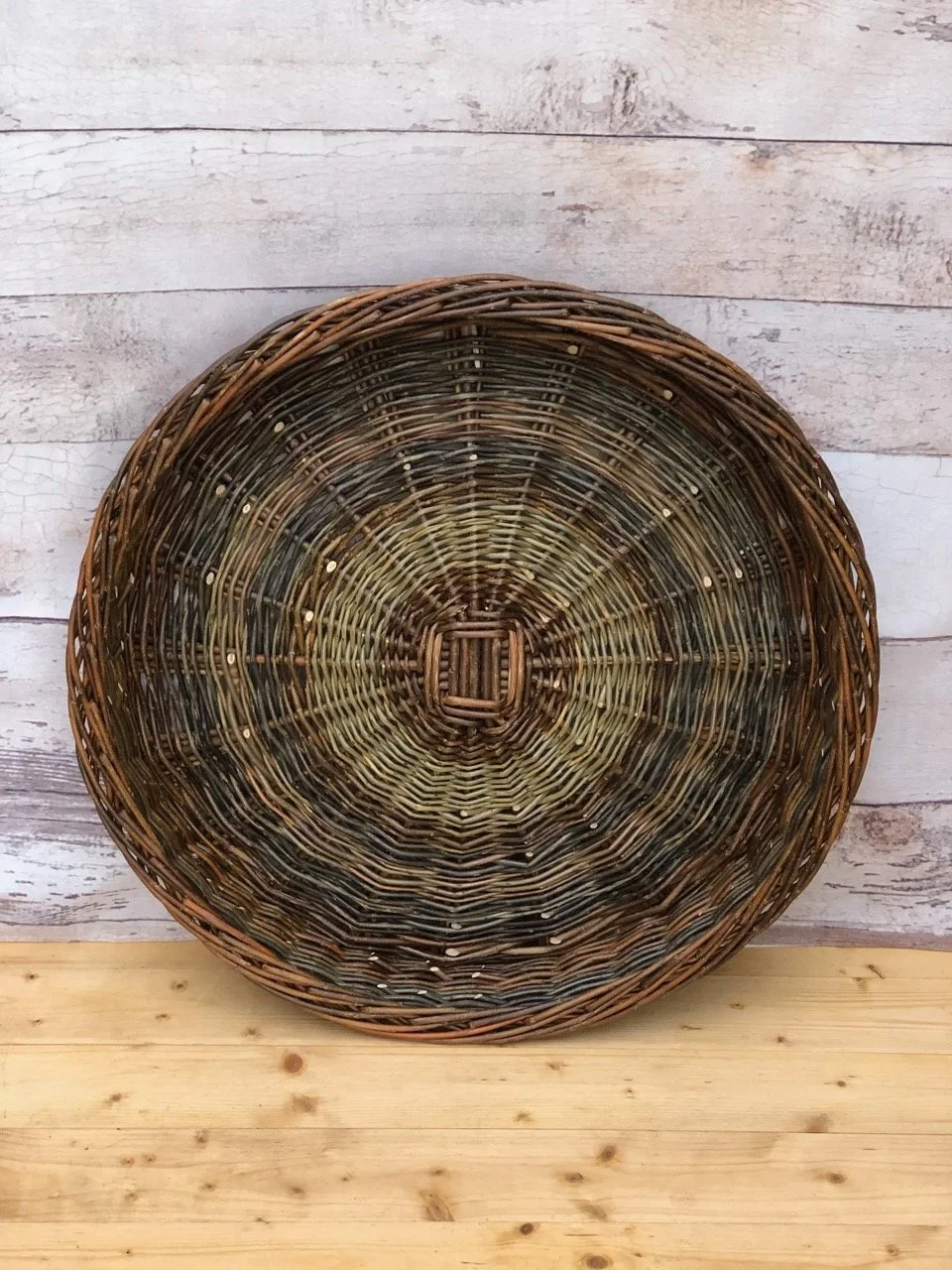
Offering 2 by Anna Leibmann, hand weaved from Scottish-grown willow.
Why it matters
Choosing Scottish timber and woodland products delivers benefits on multiple levels:
Environmental
Encourages the active and responsible management of Scotland’s woodlands
Reduces transport miles and associated carbon emissions
Supports the management of biodiverse native woodlands
Makes better use of local resources that are often underused
Economic
Keeps value within local communities
Supports small and medium-scale Scottish producers
Strengthens resilient, local supply chains
Social & cultural
Supports skilled jobs in forestry, processing, and manufacturing
Sustains traditional woodland knowledge, craft, and practical skills
Strengthens connections between people, products, and the natural places those materials come from
Supports the continued management of woodlands that also provide landscape, recreational, and community value
Homegrown hardwoods in the Scottish Wood timber shop.
How Scottish Working Woods is organised
Scottish Working Woods is a voluntary label scheme run through its member organisations.
To become a licensee, a business must first be a member of one of the SWW’s member organisations. This means licensees are already part of an established professional network and are known within their sector. This helps SWW keep the scheme practical for small businesses while still maintaining oversight of how the label is used.
Approved businesses sign a licence agreement setting out the rules for using the SWW label. The label can only be used on products that meet the scheme’s criteria, and a licence can be withdrawn if the label is misused.